Preserving the history of St. Helena, California

A town worth remembering.
A story worth telling.

The St. Helena Historical Society keeps the past alive — through archives, oral histories, walking tours, and a Heritage Center that’s open and waiting for you the first Saturday of every month.
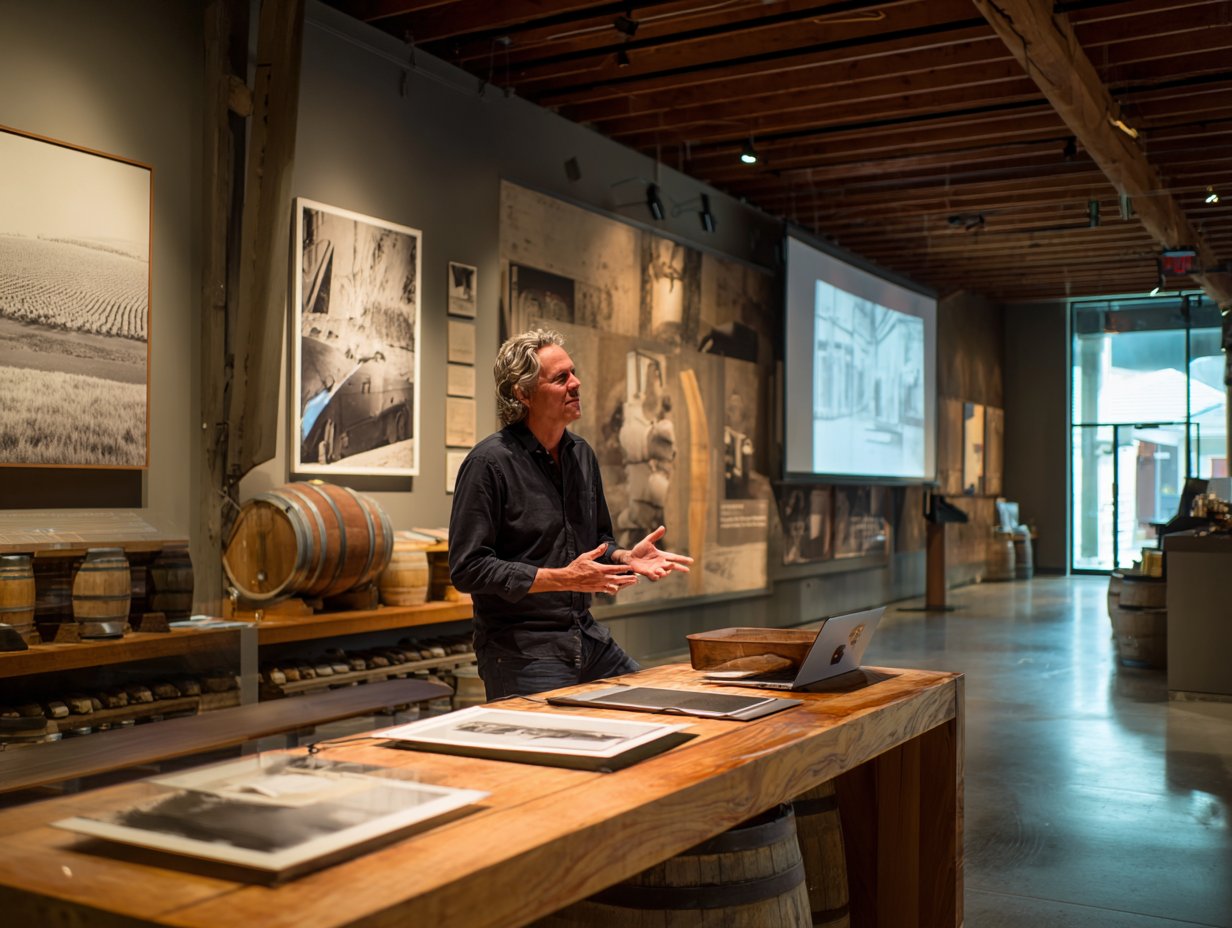
Speaker presenting at the Heritage Center

Explore what we do

Historic photographs from the archive

Photo Archive

Thousands of historic images spanning the full history of St. Helena — one of the Society’s most valuable public resources.

Browse the archive →
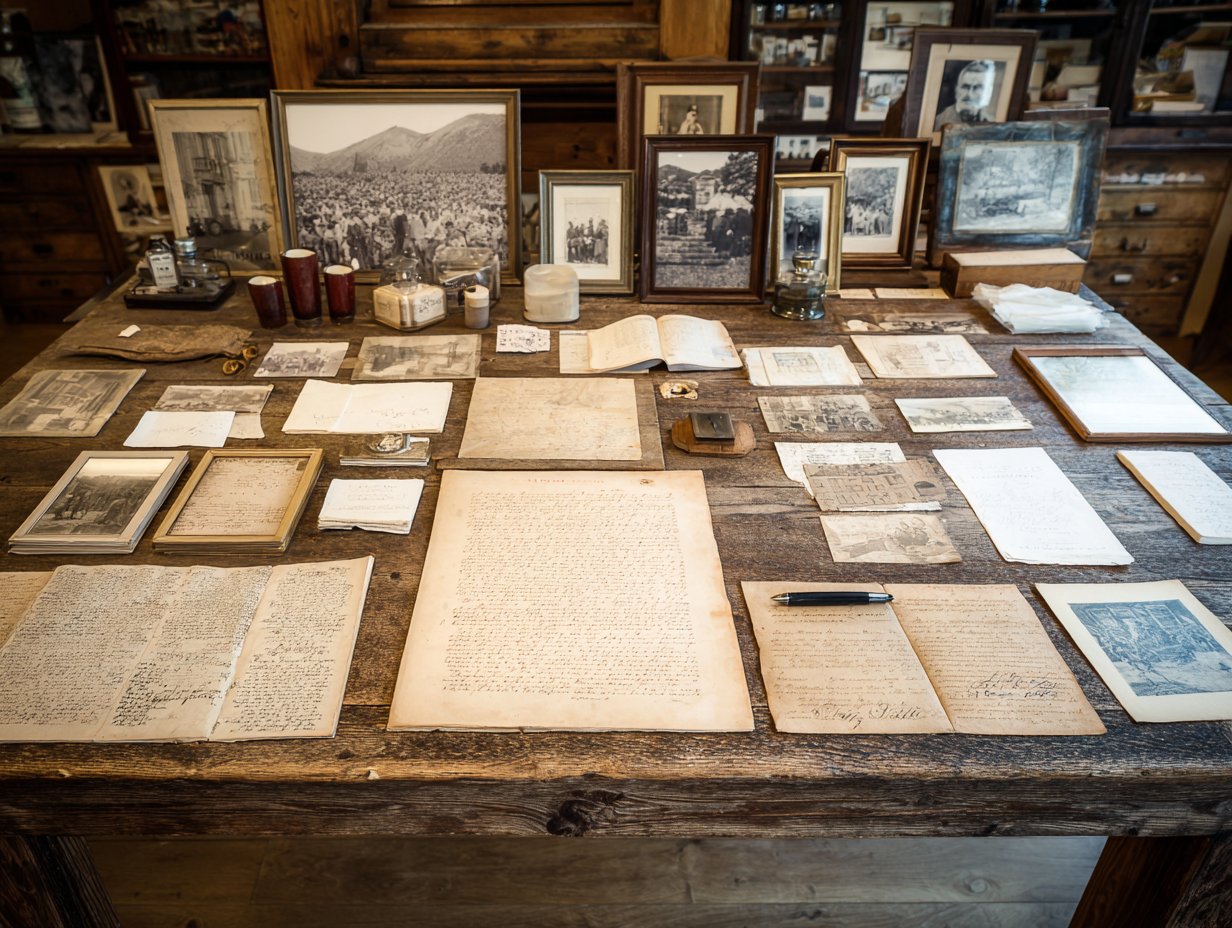
Maps and documents from the Society's archival collection

Collections & Documents

Maps, manuscripts, and documents that tell the story of St. Helena beyond the photographs.

Explore the collection →
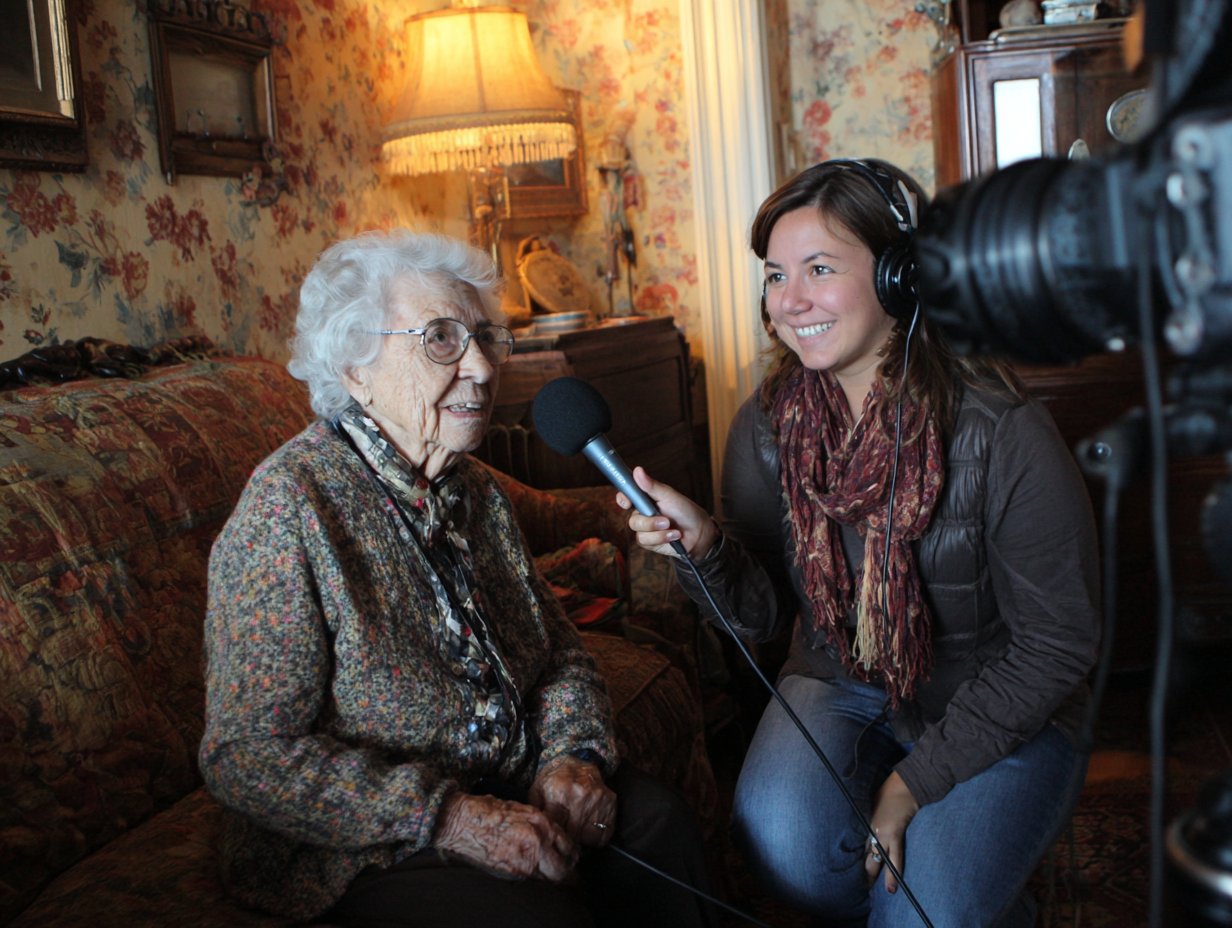
Recording an oral history interview

Oral Histories

Real voices, real stories. Residents who lived through the moments that shaped St. Helena.

Listen in →
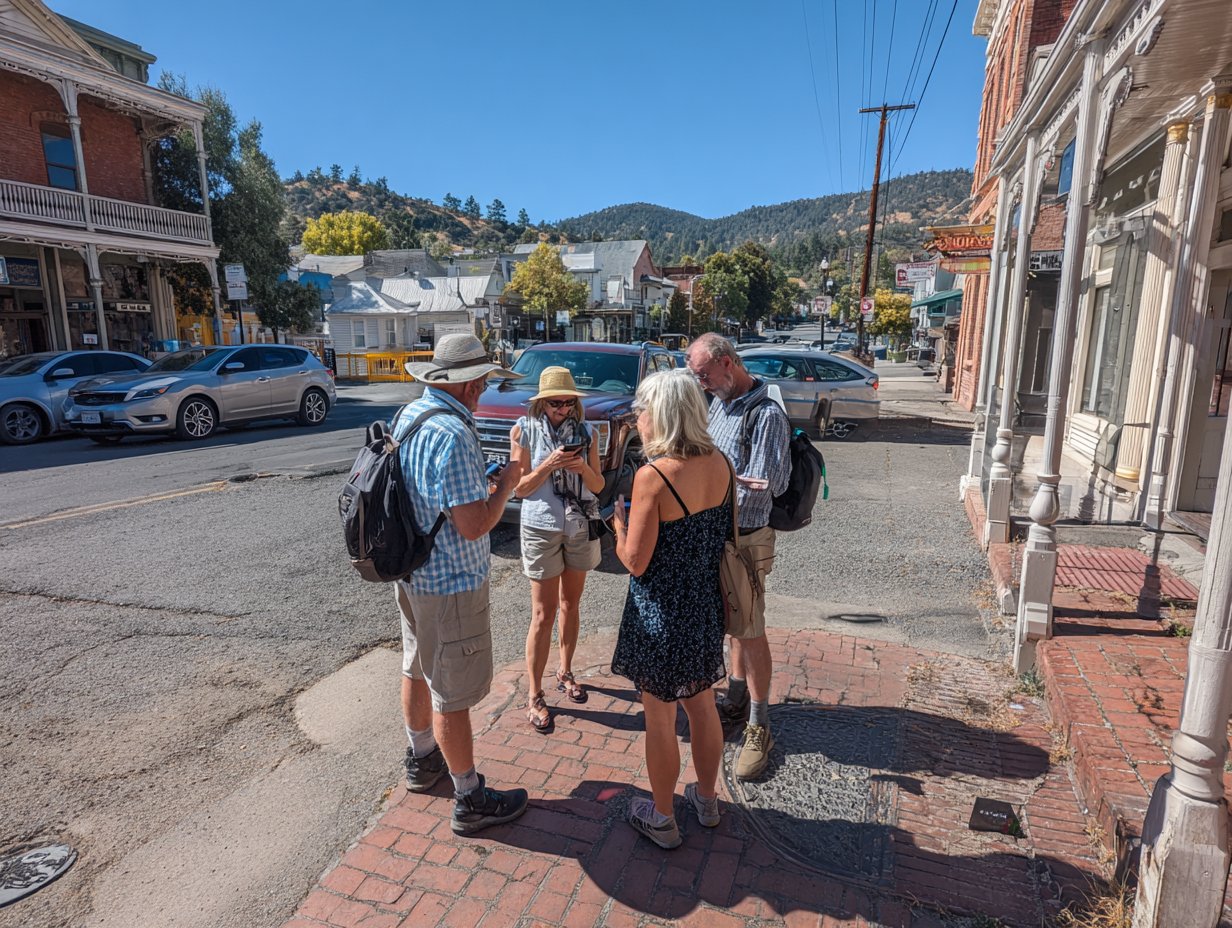
Group on the historic walking tour in downtown

Historic Walking Tour

Lace up and step back in time. Self-guided tour through St. Helena’s most storied streets.

Get the map →
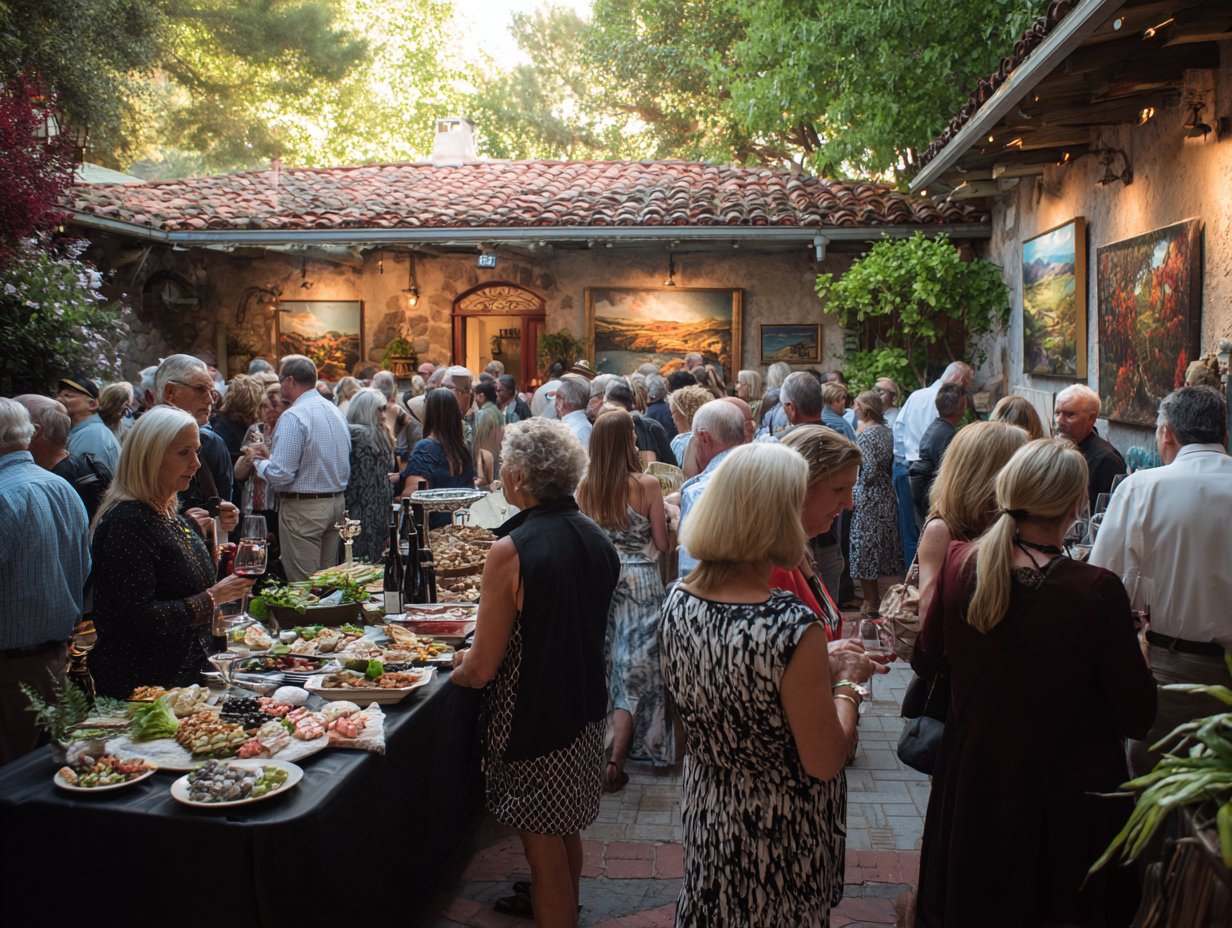
Outdoor autumn community event

Upcoming Events

Lectures, exhibits, and programs — all with considerably more charm than your average Tuesday.

See what’s on →
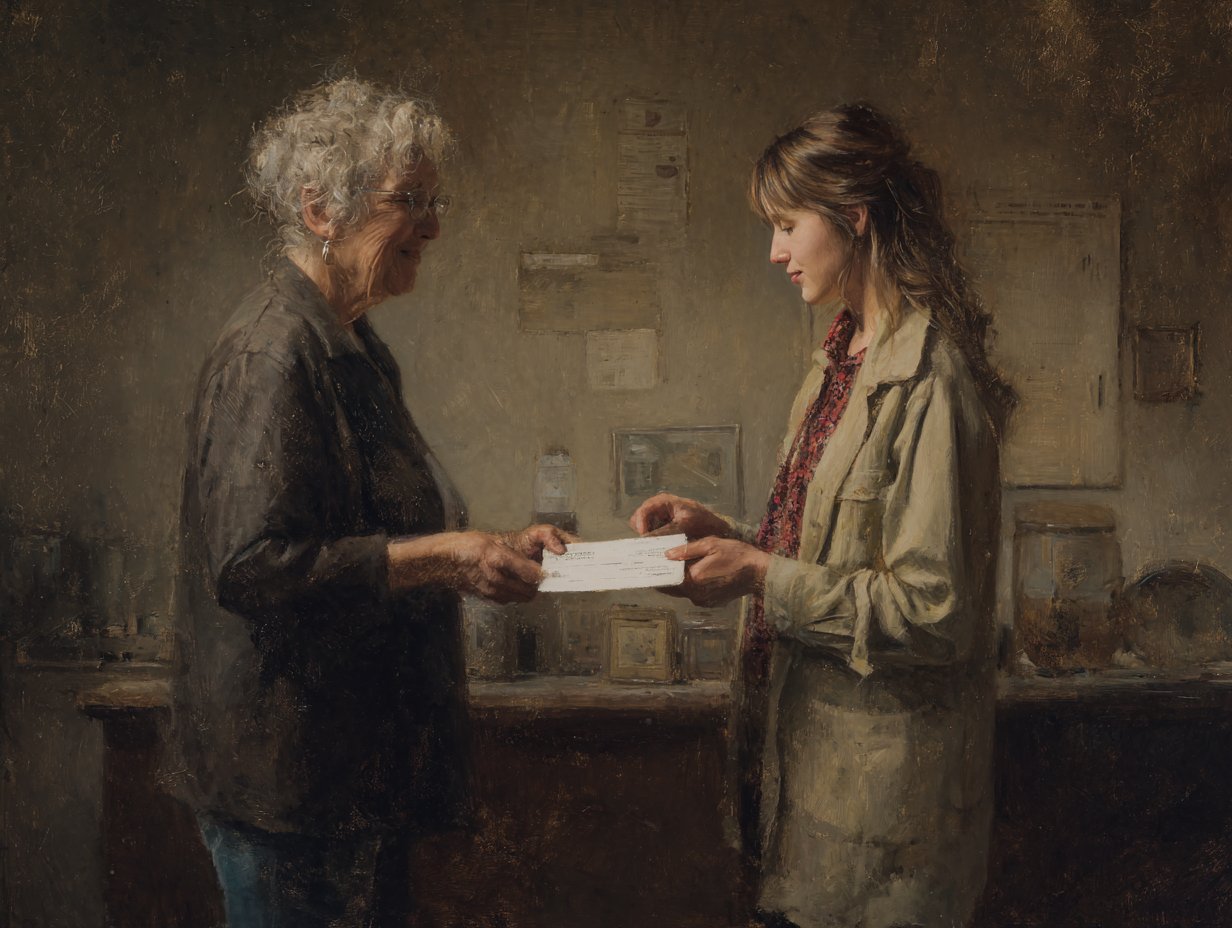
Volunteer handing a document to a visitor

Support the Society

Donate, become a member, or volunteer. The past is a team effort.

Get involved →

On foot · At your own pace

St. Helena Historic Walking Tour

Stroll through the heart of town with our self-guided walking tour. Every building has a story — and this map tells the ones worth stopping for.
Download the tour map →

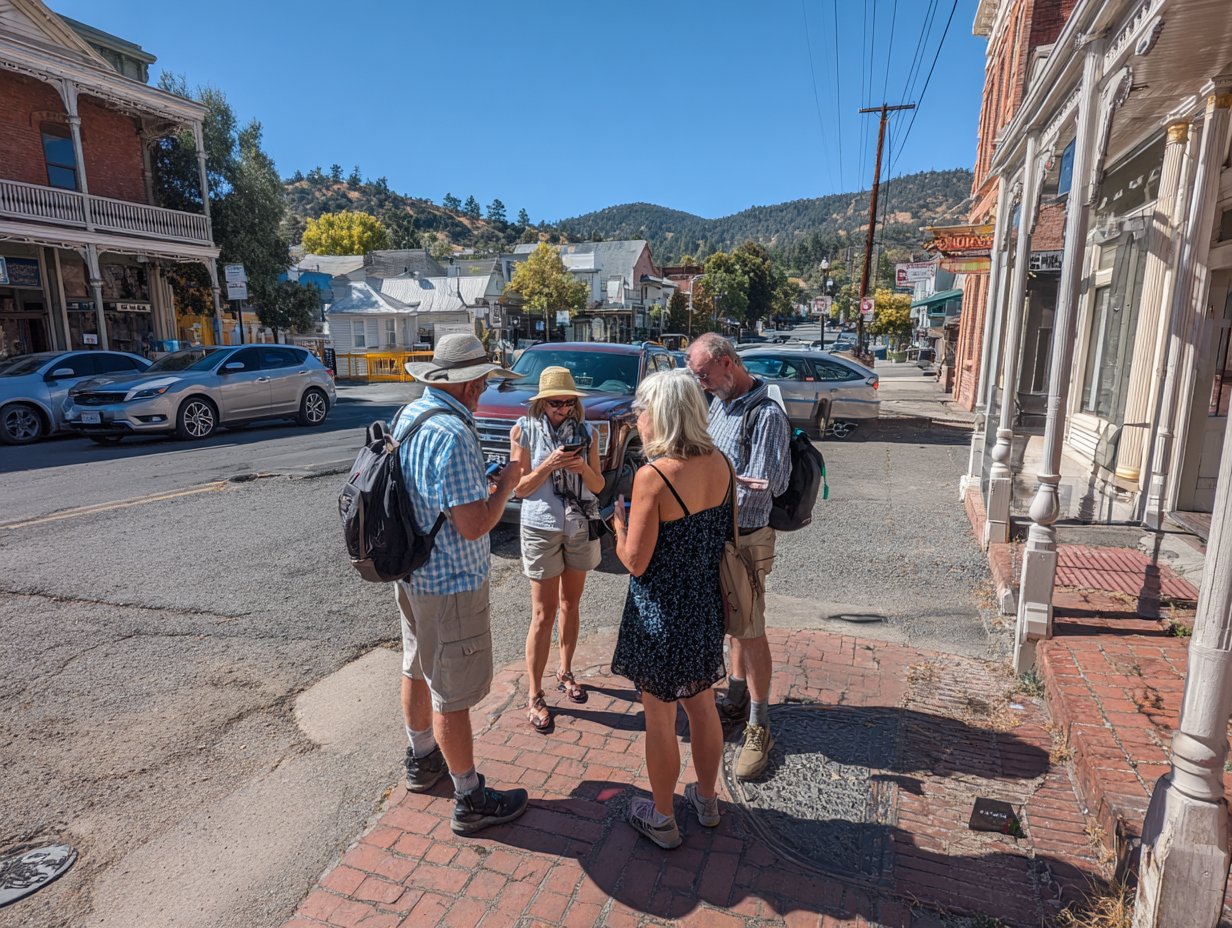
History buffs on the walking tour in downtown St. Helena

A brief history of St. Helena

1853
Henry Still files the original town plat. St. Helena begins as a small settlement serving the surrounding farms and ranches of upper Napa Valley.
1868
Charles Krug establishes the valley’s first commercial winery, beginning St. Helena’s long transformation from farming town to wine country landmark.
1878
The railroad reaches St. Helena, connecting the town to San Francisco and opening new markets for its wine, grain, and lumber.
1920–1933
Prohibition shutters most wineries. Some survive by producing sacramental wine or shipping grapes east. The town’s economy shifts to prunes, walnuts, and cattle.
1966
Robert Mondavi opens his winery on Highway 29, ushering in the modern era of Napa Valley winemaking and putting St. Helena back on the map.
Today
The St. Helena Historical Society preserves and shares this story — through its Heritage Center, photo archive, oral histories, and community programs.

Explore the full interactive timeline →

Articles

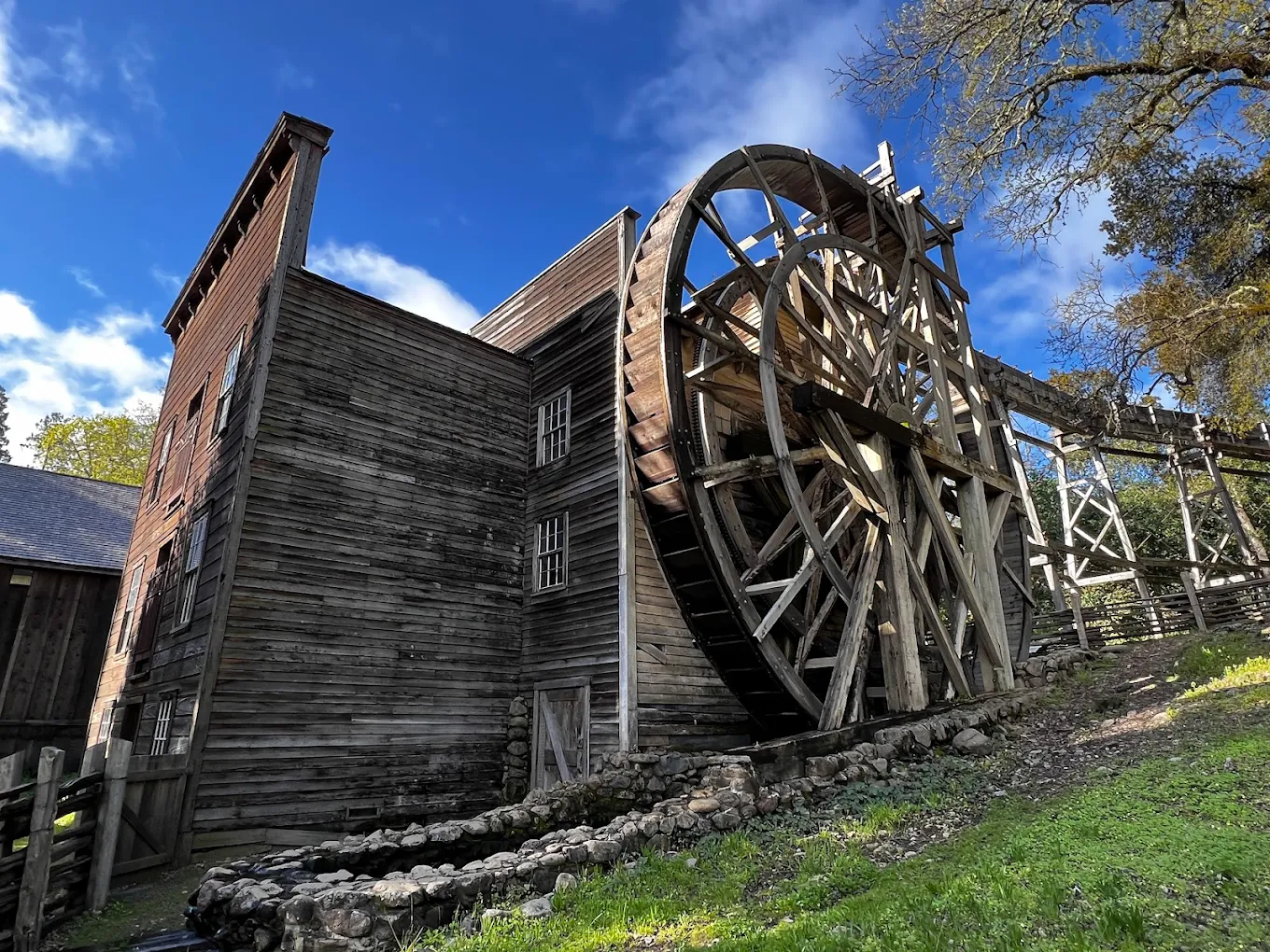
Bale Grist Mill with its large wooden water wheel

Latest article

When the Bale Grist Mill still turned: milling, community, and the early economy of the valley

Long before the wineries arrived, grain was the backbone of Napa Valley life. We dig into the archives to tell the story of a mill, a miller, and a town that grew up around both.

Read the full article →

History in your inbox

Events, stories, and the occasional surprising fact about St. Helena.
We promise it’s more interesting than it sounds. (It’s quite interesting.)

No spam. Just history. We respect your inbox the way we respect primary sources.